Friday, December 18, 2015

Invisalign

Invisalign straightens your teeth with a series of clear, virtually invisible custom-molded aligners. By using a series of clear, removable aligners, Invisalign straightens your teeth with results you'll notice sooner than you think.

The course of treatment involves changing aligners approximately every two weeks, moving your teeth into straighter position step by step, until you have a more beautiful smile. And unlike braces, these clear aligners can be removed while you eat and brush your teeth as usual.

Tuesday, November 24, 2015

What Causes Discoloration?

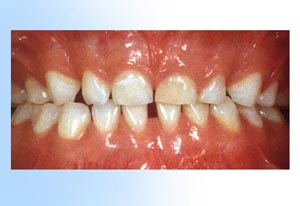
While people have different colors of skin and hair, they also have genetic differences in tooth color. Some teeth are more yellow, while others yellow with aging. Natural tooth color can be discolored by a number of causes. The surface of the teeth can be stained by tobacco, coffee, tea, berries and other foods as well as by deposits of calculus (which is better known as tartar).


Discoloration of the tooth internally can also result from aging, injuries, excessive fluoride, certain illnesses and taking antibiotic tetracycline during early childhood. Although bleaching successfully lightens most discolorations, certain types (like those caused by tetracycline) are more difficult to remove.

Monday, November 16, 2015

What is Bonding?

Bonding is a term used to describe a number of procedures that involve applying composite resins to the tooth. Regardless of its use, bonding can provide an attractive result.

How Bonding is Performed
Bonding is often completed in one visit and often does not require the use of anesthesia or drilling. The process involves preparing the tooth surface with an etching solution that allow the composite resin to adhere. To match the color of your teeth, various colors of resins are carefully blended so the bonded tooth will look natural.

The resin is applied, contoured into the proper shape and hardened using a special light or chemical process. It is smoothed and polished to appear natural. Sometimes a follow-up appointment will be required for final polishing and finishing.

Aftercare

Because bonding material is not as strong as natural tooth enamel, it can chip and may have to be replaced periodically. Bonded areas of the tooth are also prone to stain. For these reasons, bonding requires careful home and professional maintenance. You can help maintain your bonding by following these tips.

- Avoid acids (such as vinegar, tomatoes, or pineapples) and alcohol which can damage the resins.
- Avoid items that can stain bonding material such as cigarettes, coffee, tea, and berries.
- Do not put excess pressure on resins. Chewing ice, popcorn kernels and hard candy can cause damage.

Tuesday, October 20, 2015

X-rays

Why do I need X-rays?

Dental X-rays are extremely valuable for helping to detect oral diseases of the teeth and surrounding tissues. An X-ray exam may reveal small cavities that can't be seen by a visual exam, infections in the bone, abscesses, cysts, developmental abnormalities, such as extra or impacted teeth and some types of tumors. Just because such diseases, including early tooth decay, can't be seen by a visual exam does not mean that treatment isn't required.

Is it safe to have dental X-rays?

Yes. Numerous precautions and advances in X-ray equipment help protect patients from receiving unnecessary radiation. The amount of radiation received from a Dental Exam is extremely small compared to other naturally occurring sources of radiation, including minerals in the soil, radon, and cosmic radiation from outer space. A full-mouth series of films, using state-of-the-art technology, will deliver an effective dose that is equivalent to about 19 days of exposure to naturally occurring environmental radiation.

How often are they necessary?

This depends upon the patients individual health needs. If you are a new patient, the dentist may recommend X-rays to determine the current status of your mouth and to check for hidden problems. The need for radiographs varies according to your age, risk for disease, and your past dental history.

Children may need X-rays more often than adults because their teeth and jaws are still developing and they are more prone to tooth decay. X-rays help the Dentist discover developmental problems as early as possible so preventative or treatment measures can be started.

Monday, September 28, 2015

Sealants

What Sealants Do for You

A sealant is a clear shaded plastic material that is applied to the chewing surfaces of the back teeth (premolars
and molars), where decay occurs most often. This sealant acts as a barrier, protecting the decay prone areas of the tooth from plaque and acid.

How Sealants are Applied

Each tooth only takes a few minutes to seal. First, the teeth that will be sealed will be cleaned. The chewing surfaces are then etched (roughened) with a weak acidic solution to help the sealant adhere to the teeth. Finally, the sealant is placed onto the tooth enamel and hardened. Some sealants need a special curing light to help them harden, while others do not.

Who Should Have Sealants

Although children receive significant benefits from sealants, adults can also be at risk for pit and fissure decay and thus be candidates for sealants. Your Dentist can advise you about the need for sealants. Sealants are also recommended even for those who receive topical applications of fluoride and who live in communities with
fluoridated water. Fluoride helps fight decay on the smooth surfaces of the teeth but is least effective in pits and fissures.

How Long Do Sealants Last

When the sealant is applied, finger-like strands penetrate the pits and fissures of the tooth enamel. Although the sealant cannot be seen with the naked eye, the protective effect of these strands continues. As a result, it may be several years before another application of sealant is needed. Reapplication of the sealants will continue the protection against decay and may save the time and expense of having a tooth restored. Sealants will be checked during regular dental visits to determine if reapplication is necessary.

How Sealants Save Money

The American Dental Association recognizes that sealants can play a major role in the prevention of tooth decay.

When properly applied and maintained they can successfully protect the chewing surfaces of the tooth from decay. A total prevention program includes brushing twice a day, cleaning between teeth daily with floss or interdental cleaner, regular dental visits, and limiting the number of between-meal snacks. Ask your dentist how to obtain the right level of fluoride. If these measures are followed and sealants are used well, the risk of decay can be reduced or may even be eliminated.

Aftercare

With the sealant deep within the pits and grooves of the enamel surface, normal eating habits can be maintained.

Twice a day brushing is very important to maximize the benefits of the sealants. Of course, sealants should be
checked during regular dental visits to determine if reapplication is necessary.

Wednesday, September 23, 2015

Injuries from Non-Use

Recreation experts have long recommended a mouth protector as an important piece of safety equipment. Without one, an athlete on the playing field runs the risk of acquiring a toothless grin!

You’ve probably seen mouth protectors used in contact sports, such as hockey, football, and boxing. Coaches and team members know that mouth protectors cushion blows that would otherwise cause broken teeth, injuries to the lips and face, and sometimes even jaw fractures.

Tuesday, September 15, 2015

Athletic Requirements

If you have dental appliances such as orthodontic braces or bridgework, you should wear a mouth protector that has been fitted by a Dentist.

A mouth protector should be worn at all times during contact sports, in practice as well as during games.

Mishaps on the playing field, the basketball court, and while riding a bicycle or skateboard often involve blows to the head, face, and mouth.

Besides creating a painful emergency, injuries to the mouth can result in chipped or fractured teeth, nerve damage, and tooth loss. Wearing a mouth protector is a simple way to prevent many of these painful and costly injuries.

Wednesday, September 2, 2015

Types of Mouth Guards

You don’t have to be a football player to benefit from wearing a mouth protector. Any adult or child involved in a recreational activity that poses a risk of injury to the mouth can obtain smile protection with this important safety device.

There are basically two types of mouth protectors:

  • Pre-fabricated: A pre-fabricated mouth guard can be purchased at stores, these mouth guards are often only offered in a general size offerings.
  • Custom: Mouth guards can also be fabricated by your dentist using an exact model (impression) of your mouth. This type of mouth guard provides superior fit and protection.

Custom-made mouthguards

Your Dentist can create a special mouth protector just for you – one that will provide comfort and proper fit. A custom-made mouth protector is individually designed and constructed in the dental office or according to your dentist’s specifications in a professional dental laboratory.

First, the dentist makes an impression of the patient’s teeth. Using a special material, the dentist constructs the mouth protectors over a model of the teeth.

Although custom-made mouth protectors are somewhat more expensive than stock mouth protectors purchased in stores, their exceptionally good fit, comfort, and overall quality make them worth it. A custom-made mouth protector is easily retained in the mouth and does not interfere with speech or breathing. For these reason, custom-made devices are often preferred by sports enthusiasts and recommended by dentists. So give your smile a sporting chance – ask you Dentist about mouth protectors.

Monday, August 24, 2015

Facts about Nutrition

Basic Dental Health Facts

Plaque is a sticky, colorless film of bacteria by-products that constantly forms on everyone’s teeth. Unless it is thoroughly removed daily, it can lead to dental cavities (tooth decay) and periodontal diseases (gum diseases).

Tooth Decay

Tooth decay is a major cause of tooth loss in children. Tooth decay, or Dental caries is caused by bacteria. For a tooth to decay, three elements are needed: plaque, food containing sugars and starches, and a susceptible tooth. When foods containing sugars and starches are eaten, the bacteria in plaque produces acids that can dissolve tooth enamel. The sticky plaque holds these acids onto the teeth, where, if left, the acids can begin to attack the enamel. After repeated attacks, the enamel may break down, forming a cavity.

Periodontal Disease

Periodontal Diseases afflict the gums and bones that support the teeth. A recent survey stated that some form of periodontal disease affects 39 percent of children and 68 percent of teenagers in the United States alone. Furthermore, periodontal disease has proven to be a worldwide problem with all age groups. Studies show that many periodontal problems, which occur later in life, could be caused by the neglect of oral care during childhood and adolescence.

An early sign of periodontal disease is swollen bums that bleed easily, especially when teeth are brushed or flossed. Toxins that are created by bacteria found in plaque cause periodontal diseases. If plaque is not removed by daily brushing and flossing, along with regular professional cleaning by a Dentist or dental hygienist, these toxins can irritate the gums, making them tender and likely to bleed. If not treated at an early stage, bleeding gums can become progressively worse. Eventually, affecting the bone, which can cause teeth to become loose or to fall out.

Thursday, August 20, 2015

Toddlers

To prevent tooth decay and periodontal diseases, tooth brushing and flossing are needed daily to remove harmful plaque from your child’s teeth.

Look for a toothbrush that bears the ADA seal. They have been shown to be safe and effective for their intended use. The advertising claims for these products have been reviewed by the American Dental Association and the claims are accurate and not misleading.

Ask your Dentist to recommend a toothbrush for your child. Children need smaller brushes, specially designed for them. Generally, a brush with soft, end-rounded or polished bristles is recommended, since it is less likely to injure gum tissue.

Check your child’s toothbrush often and replace it when it is worn out. Bent or frayed bristles will not clean plaque from your child’s teeth and they can damage gums. The ADA recommends replacing toothbrushes every 3 months.

Brushing removes plaque from the inner, outer, and chewing surfaces or the teeth. Select a fluoride toothpaste with the seal of the ADA.

Children under six years of age should clean their teeth with a pea-sized amount of fluoride toothpaste after every meal and at bedtime.

1. Holding the toothbrush bristles at a 45-degree angle against the gum line, move the brush back and forth with short strokes - half a tooth wide - in a gentle, scrubbing motion.

2. Brush the outer surfaces of all teeth in the upper and lower jaws. Repeat the same method on the inside surfaces and chewing surfaces of all the teeth.

3. Finish by brushing the tongue to help freshen breath and remove bacteria.

4. Use about 18 inches of floss, wind most of it around the middle fingers of both hands. Hold the floss tightly between the thumbs and forefingers. Use a gentle, sawing motion to guide the floss between the teeth.

5. Curve the floss into a C shape and slide it into the space between the gum and the tooth until you feel resistance. Now, gently scrape the floss, in and up and down motion, against the side of the tooth.

6. Repeat this procedure on each tooth. Don’t forget the backs of the last four teeth.

Flossing removes plaque that hides between the teeth and under the gum line, areas where a toothbrush cannot reach. Supervising your child while he or she brushes and flosses will ensure that a proper job is done.

Wednesday, August 12, 2015

Preparing for the First Dental Visit

Take you child to see the Dentist by his or her first birthday. Your child’s first visit to the dentist can be a pleasant adventure. Talk about the visit in a positive matter-of-fact way, as you would any important new experience. Explain that the dentist is a friendly doctor who will help the child stay healthy.

During the first visit, the child’s mouth will be examined for tooth decay and other problems. The teeth may be cleaned by the dentist or Dental Hygienist. The dentist will explain how the child’s teeth should be cleaned at home, how diet and eating habits affect Dental Health and methods to ensure that your child gets sufficient fluoride.


Most children have a full set of 20 primary teeth by the time they are three years old. Primary teeth are just as important as permanent teeth, for chewing, speaking, and appearance. In addition, the primary teeth hold the space in the jaws for the permanent teeth.

You should start brushing the child’s teeth as soon as the first tooth erupts. Flossing should begin when all the primary teeth have erupted, usually by age 2 to 2 ½. By age 4 or 5, the child may be able to brush his or her own teeth under supervision.

The pre-school years are an important time to help your child establish good eating habits, since you can control your child’s diet successfully. At this age, many children need to eat snacks or “mini-meals”. They cannot always eat enough food at mealtimes to get all the nutrients and energy they need. Help your child choose sensible snacks – foods that don’t promote tooth decay.

Tuesday, August 4, 2015

Infants

People usually think of a newborn baby as having no teeth. But the 20 primary teeth that will erupt in the next two and a half years are already present at birth in the baby’s jawbones. At birth, the crowns of the primary teeth are almost complete and the chewing surfaces of the permanent molars have begun to form. The front four teeth usually erupt first, beginning as early as six months after birth.


Your infant depends totally on you for Dental Care. You should begin cleaning the baby’s mouth during the first few days after birth. After every feeding, wipe the baby’s gums and teeth with a damp washcloth or gauze pad to remove plaque. This establishes, at an early age, the importance of Dental Hygiene and the feeling of having clean teeth and gums.

To clean your child’s teeth, place the child in a comfortable position that will allow easy access to his or her mouth.

Remember: Your infant depends totally on you for Dental Care!

Thursday, July 30, 2015

Fluoride Supplements

The most effective way for your child to get fluoride’s protection is by drinking water containing the right amount of the mineral… about one part fluoride per million parts water. This is of special benefit to children, because fluoride is incorporated into enamel as teeth form. Children who, from birth, drink water containing fluoride have up to 40% fewer cavities. Many of them remain cavity-free through their teens.


Fluoride is one of the most effective elements for preventing tooth decay. This mineral combines with tooth enamel to strengthen it against decay. Fluoride may also actually reverse microscopic cavities by enhancing the process by which minerals, including calcium, are incorporated into the teeth.

Even though your regular water supply may be fluoridated, it is still important to discuss with your Dentist any additional fluoride needs your child may have. Look for fluoride toothpastes and over-the-counter fluoride mouth rinses that carry the ADA seal. They have been proven safe and effective for their intended use. The advertising claims for these products have been reviewed by the ADA so the claims are accurate and not misleading.

Your Dentist may recommend various ways to get fluoride protection, including:
- Drinking fluoridated water at school.
- Taking prescribed fluoride tablets or drops.
- Brushing with a pea-sized amount of fluoride toothpaste after age two.
- Using a fluoride mouth rinse for children over age six.

Thursday, July 16, 2015

Simple Warning Signs of a Serious Condition

1. Do your gums sometimes bleed when you brush?
2. Do you have places in your gums that get red or sore?
3. Will bad breath just not go away?

These symptoms might not seem like much, but they could be the first signs of gum disease.

Every mouth has good and bad bacteria. Gum Disease occurs when millions of harmful bacteria have multiplied under your gumline and started an infection. Because the bacteria live and grow in pockets below the gumline, brushing and flossing cannot stop the infection. The best way to fight back is to visit a Dentist.

Consistent oral hygiene at home and regular visits to our office will keep your gums healthy. If left untreated, gum disease will get serious and could potentially lead to tooth loss or more serious health issues.

If you notice any bleeding or soreness in your gums, schedule an appointment with our office. Together, we can fight back against gum disease and keep your whole smile healthy.

"Timely, professional treatment is the only way to stop gum disease before it gets serious."

Wednesday, July 8, 2015

What is Baby Bottle Tooth Decay?

Baby bottle tooth decay is a form of decay than can destroy the teeth of an infant or young child. The teeth most likely to be damaged are the upper front teeth. These teeth are critical to you child’s smile. Other teeth may also be affected by this condition.

What Causes Baby Bottle Tooth Decay?

Baby Bottle Tooth Decay is caused by frequent and long exposure of a child’s teeth to liquids containing sugars. Milk, formula, fruit juices, and other sweetened liquids help to create this problem. The sugar in these liquids is used as an energy source by the bacteria in plaque.

Plaque is a thin, almost invisible film of bacteria and by-products that constantly form on everyone’s teeth. In the decay process, the bacteria produce acids which attach tooth enamel. The length of time these liquids are in contact with the teeth is critical. Longer and frequent exposures allow greater damage to occur.

Offering your child a bottle containing these liquids many times a day, as a pacifier, isn’t a good idea. Allowing your child to fall asleep with a bottle during naps or at night can cause serious harm and damage to your child’s teeth. During sleep, the flow of saliva decreases. This allows the liquids in the nursing bottle to pool around your child’s teeth for long periods of time.

Prevention

Sometimes parents do not realize that a baby’s teeth are susceptible to decay as soon as they appear in the mouth. By the time decay is noticed, it may be too late to save the child’s teeth. You can prevent this from happening to your child’s teeth by learning how to protect them:

- After each feeding, wipe the child’s teeth and gums with a damp washcloth or gauze pad, to remove plaque. Begin brushing your Child’s Teeth as soon as the first tooth erupts. Remember to continue cleaning and massaging the child’s gums in all other areas that remain toothless. Flossing should begin when all primary teeth have erupted, usually by age 2.

- Never allow your child fall asleep with a bottle containing milk, formula, fruit juices or sweetened liquid.

- If your child needs a comforter between regular feedings, at night, or during naps, fill a nursing bottle with cool water or give the child a clean pacifier recommended by your Dentist or pediatrician. Never give your child a pacifier dipped in any sweetened liquid.

- Avoid filling your child’s nursing bottle with any liquids such as sugar water, sweetened gelatin, and soft drinks.

- Make sure your child gets the fluoride needed for decay-resistant teeth. If you are not sure that your local water supply contains the right amount of fluoride, ask your Dentist about fluoride supplements.

- Start Dental Visits between six and twelve months of age. Make appointments regularly. If you suspect that your child has a dental problem, take the child to see a dentist as soon as possible.

Tuesday, June 23, 2015

Bleeding Gums Can Kill More Than Your Smile

Contrary to what you have been told, bleeding gums are not normal and shouldn’t be ignored. Would you be concerned if your hands bleed every time you wash them? Your gums are no different.

Bleeding that occurs when you floss, brush, or eat is usually caused by a bacterial infection and represents one of the first symptoms of gum disease (Periodontal Disease). Researchers are finding links between periodontal infection and other diseases of the human body. Heart Disease, Diabetes, Respiratory Disease, Osteoporosis, Artificial Joints, and Pregnancy complications seem to be connected to your oral health. The current theory is that bacteria present in infected gums breaks loose, travels though your bloodstream, and attaches itself to your heart or other body parts. A resent study found that 85% of heart-attack patients have periodontal disease, making this connection higher than the relationship between high cholesterol and heart attacks.

What Should You Do?

Keep your mouth healthy! It is not “just a cleaning” anymore. See your Dentist or hygienist at least twice a year for periodic maintenance and screening. Periodontal disease is often painless until it reaches more advanced stages, however there is a simple test that your dental team can use to uncover this problem even in its beginning stages. Like most diseases of the body early detection is essential. Also, remember to brush and floss. You will need to be an active participant in prevention. Gum disease is a serious infection that should always be taken seriously.

Take a Self-Evaluation Quiz

If you answer yes to any of the following questions you may have periodontal disease.
1. Do your gums bleed when you brush, floss, or eat?
2. Do your teeth feel like they are moving?
3. Are your gums receding?
4. Do your teeth look longer?
5. Do you have persistent bad breath?
6. Does your bite feel different?
7. Is it difficult for you to chew?
8. Have you noticed pus around your teeth? 9. Do your gums feel tender or look swollen?
10. Do your teeth or gums hurt?

Other Factors

Over 80% of adults have gum disease. Smoking, excessive alcohol, diet, and poor oral hygiene can contribute to the onset and progression of the disease, but genetics seem to play a significant role. If there is a history of gum disease or premature tooth loss with your parents or siblings your chance of having this disease is extremely high.

Treatments

A better understanding of this disease has created new treatment alternatives. Antibiotics, deep cleanings, laser treatments, mouth rinses, and homecare, used individually or in combination, are reducing the need for more aggressive options like Surgery.

Sunday, June 14, 2015

FREQUENTLY ASKED QUESTIONS

Q: Which type of toothbrush should I use?
A: The brand of the toothbrush is not as critical as the type of bristle and the size of the head. A soft toothbrush with a small head is recommended because medium and hard brushes tend to cause irritation and contribute to recession of the gums, and a small head allows you to get around each tooth more completely and is less likely to injure your gums. It's unnecessary to "scrub" the teeth as long as you are brushing at least twice a day and visiting your Dentist at least twice a year for cleanings.

Q: Is one toothpaste better than others?
A: Generally, no. However, it's advisable to use a fluoride containing toothpaste to decrease the incidence of dental decay. We recommend our patients use what tastes good to them as long as it contains fluoride.

Q: How often should I floss?
A: Flossing of the teeth once per day helps to prevent cavities from forming between the teeth where your toothbrush can't reach. Flossing also helps to keep your gums healthy.

Q: What's the difference between a "crown" and a "cap"?
A: These are restorations to repair a severely broken tooth by covering all or most of the tooth after removing old fillings, fractured tooth structure, and all decay. The restoration material is made of gold, porcelain, composites, or even stainless steel. Dentists refer to all of these restorations as "crowns". However, patients often refer to the tooth-colored ones as "caps" and the gold or stainless steel ones as "crowns".

Q: What's the difference between a "bridge" and a "partial denture"?
A: Both bridges and Partial Dentures replace missing teeth. A bridge is permanently attached to abutment teeth or, in some cases, implants. A partial denture is attached by clasps to the teeth and is easily removed by the patient. Patients are usually more satisfied with bridges than with partial dentures.

Q: What about "silver" fillings versus "white" fillings?
A: Although the U.S. Public Health Service issued a report in 1993 stating there is no health reason not to use amalgam (silver fillings), more patients today are requesting "white" or tooth-colored composite fillings. We also prefer tooth-colored fillings because they "bond" to the tooth structure and therefore help strengthen a tooth weakened by decay. While Fillings are also usually less sensitive to temperature, and they also look better. However, "white" fillings cannot be used in every situation, and if a tooth is very badly broken-down, a crown will usually be necessary and provide better overall satisfaction for the patient.

Q: Do I need to have a root canal just because I have to have a crown?
A: No. While most teeth which have had Root Canal Treatments do need crowns to strengthen the teeth and to return the teeth to normal form and function, not every tooth needing a crown also needs to have a root canal.

Sunday, May 31, 2015

COSMETIC DENTISTRY

Cosmetic Dentistry can be anything done to correct imperfections in the appearance of the mouth. Anyone who is unhappy with their smile can have it fixed. The upper teeth show, usually, only when smiling, while the lower teeth remain hidden. This is reversed when talking, with the upper teeth remaining hidden while the lower teeth show. The color, alignment, spacing as well as regularity of the teeth are the characteristics that give the overall appearance. Any of these can be repaired to give a stunning look to the mouth.

We offer a wide variety of cosmetic options. Some of these options are whitening, smile design, recontouring of the shape of the teeth, veneers, bonding, and all ceramic/porcelain crowns.

WHITENING

This is the procedure of making teeth whiter, and therefore more attractive. Our office uses several methods: Custom Trays with Professional strength whitening gel, Pre-filled Disposable tray Whitening and Touch-up Kits for those patients with trays of their own.

The tray method involves having impressions taken from which laboratory fabricated custom vinyl trays are made. A Carbamide peroxide or Hydrogen peroxide gel is placed in these trays and the trays with gel are worn for a minimum of 30 minutes. The entire process takes 1-2 weeks of daily use. Three different strengths of gel may be used, however the higher the strength the greater the likelihood of reactions or tooth sensitivity. The tray method is recommended for badly stained teeth, such as tetracycline staining, and it may take several months of use to see significant color improvement. For maintenance of whitened teeth the trays should be used every several months.

We recommend discussing your individual needs with Dr Gina Ostrand or the hygienist prior to purchasing other over-the counter products so the product that is best for your situation is chosen and you reach your cosmetic goals.

NEW! FOR OUR ESTABLISHED PATIENTS: You may now preview all of our office tested and approved Whitening products through our Venus Smile Store link. This enables you to purchase PROFESSIONAL STRENGTH products directly online whenever you need them and have them delivered right to your doorstep. You can also take advantage of SPECIAL PROMOTIONS and DISCOUNTS. To visit the store and purchase products online, visit:

VENEERS

Veneers are a dental procedure in which a covering is placed over the outside (visible area) of the tooth. Veneers are usually only done to the part of the teeth that are visible when talking or smiling. The procedure can be direct or indirect.

The direct technique usually involves placing composite resin on the outside of the tooth using bonding. This method is usually referred to as bonding.

The indirect technique usually involves two appointments because the veneers will be fabricated at a dental laboratory. At the first appointment the teeth are prepared, impressions taken, and the teeth are given a temporary covering. In two weeks the veneers are back from the laboratory, the temporaries are removed and the veneers are bonded to the teeth. The laboratory fabricated veneers are usually made using porcelain or pressed ceramic, and are very esthetic.

The advantage of veneers versus crowns is that much less tooth material is removed, and the procedure is generally less uncomfortable. Veneers are recommended for teeth that have large fillings or little tooth structure.

INVISALIGN

Invisalign straightens your teeth with a series of clear, virtually invisible custom-molded aligners. By using a series of clear, removable aligners, Invisalign straightens your teeth with results you'll notice sooner than you think. The course of treatment involves changing aligners approximately every two weeks, moving your teeth into straighter position step by step, until you have a more beautiful smile. And unlike braces, these clear aligners can be removed while you eat and brush your teeth as usual.

Wednesday, May 27, 2015

Welcome to our Practice

Our goal is to provide each patient with the very Best Dental Care in the most supportive and caring manner possible. Our office has a small, family friendly atmosphere that will immediately put you and your children at ease. Our team of experienced professionals will help you feel welcome and comfortable as we strive to provide each patient with comprehensive care that is designed around their individual needs.

NEW! Be sure to visit our "Venus Smile Store" for all of your Whitening and Dental Care needs. Professional strength Products can be ordered online and delivered right to your doorstep. See the smile store link under our COSMETIC DENTISTRY tab above.