During the first visit, the child’s mouth will be examined for tooth decay and other problems. The teeth may be cleaned by the dentist or Dental Hygienist. The dentist will explain how the child’s teeth should be cleaned at home, how diet and eating habits affect Dental Health and methods to ensure that your child gets sufficient fluoride.
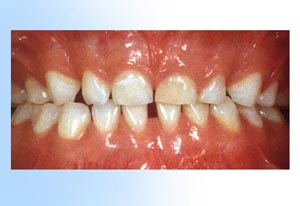
Most children have a full set of 20 primary teeth by the time they are three years old. Primary teeth are just as important as permanent teeth, for chewing, speaking, and appearance. In addition, the primary teeth hold the space in the jaws for the permanent teeth.
You should start brushing the child’s teeth as soon as the first tooth erupts. Flossing should begin when all the primary teeth have erupted, usually by age 2 to 2 ½. By age 4 or 5, the child may be able to brush his or her own teeth under supervision.
The pre-school years are an important time to help your child establish good eating habits, since you can control your child’s diet successfully. At this age, many children need to eat snacks or “mini-meals”. They cannot always eat enough food at mealtimes to get all the nutrients and energy they need. Help your child choose sensible snacks – foods that don’t promote tooth decay.
You should start brushing the child’s teeth as soon as the first tooth erupts. Flossing should begin when all the primary teeth have erupted, usually by age 2 to 2 ½. By age 4 or 5, the child may be able to brush his or her own teeth under supervision.
The pre-school years are an important time to help your child establish good eating habits, since you can control your child’s diet successfully. At this age, many children need to eat snacks or “mini-meals”. They cannot always eat enough food at mealtimes to get all the nutrients and energy they need. Help your child choose sensible snacks – foods that don’t promote tooth decay.

No comments:
Post a Comment