You’ve probably seen mouth protectors used in contact sports, such as hockey, football, and boxing. Coaches and team members know that mouth protectors cushion blows that would otherwise cause broken teeth, injuries to the lips and face, and sometimes even jaw fractures.
Wednesday, September 23, 2015
Injuries from Non-Use
Recreation experts have long recommended a mouth protector as an important piece of safety equipment. Without one, an athlete on the playing field runs the risk of acquiring a toothless grin!

Tuesday, September 15, 2015
Athletic Requirements
If you have dental appliances such as orthodontic braces or bridgework, you should wear a mouth protector that has been fitted by a Dentist.
A mouth protector should be worn at all times during contact sports, in practice as well as during games.
Mishaps on the playing field, the basketball court, and while riding a bicycle or skateboard often involve blows to the head, face, and mouth.
Besides creating a painful emergency, injuries to the mouth can result in chipped or fractured teeth, nerve damage, and tooth loss. Wearing a mouth protector is a simple way to prevent many of these painful and costly injuries.
A mouth protector should be worn at all times during contact sports, in practice as well as during games.
Mishaps on the playing field, the basketball court, and while riding a bicycle or skateboard often involve blows to the head, face, and mouth.
Besides creating a painful emergency, injuries to the mouth can result in chipped or fractured teeth, nerve damage, and tooth loss. Wearing a mouth protector is a simple way to prevent many of these painful and costly injuries.
Wednesday, September 2, 2015
Types of Mouth Guards
You don’t have to be a football player to benefit from wearing a mouth protector. Any adult or child involved in a recreational activity that poses a risk of injury to the mouth can obtain smile protection with this important safety device.
There are basically two types of mouth protectors:
Custom-made mouthguards
Your Dentist can create a special mouth protector just for you – one that will provide comfort and proper fit. A custom-made mouth protector is individually designed and constructed in the dental office or according to your dentist’s specifications in a professional dental laboratory.
First, the dentist makes an impression of the patient’s teeth. Using a special material, the dentist constructs the mouth protectors over a model of the teeth.
Although custom-made mouth protectors are somewhat more expensive than stock mouth protectors purchased in stores, their exceptionally good fit, comfort, and overall quality make them worth it. A custom-made mouth protector is easily retained in the mouth and does not interfere with speech or breathing. For these reason, custom-made devices are often preferred by sports enthusiasts and recommended by dentists. So give your smile a sporting chance – ask you Dentist about mouth protectors.
There are basically two types of mouth protectors:
- Pre-fabricated: A pre-fabricated mouth guard can be purchased at stores, these mouth guards are often only offered in a general size offerings.
- Custom: Mouth guards can also be fabricated by your dentist using an exact model (impression) of your mouth. This type of mouth guard provides superior fit and protection.
Custom-made mouthguards
Your Dentist can create a special mouth protector just for you – one that will provide comfort and proper fit. A custom-made mouth protector is individually designed and constructed in the dental office or according to your dentist’s specifications in a professional dental laboratory.
First, the dentist makes an impression of the patient’s teeth. Using a special material, the dentist constructs the mouth protectors over a model of the teeth.
Although custom-made mouth protectors are somewhat more expensive than stock mouth protectors purchased in stores, their exceptionally good fit, comfort, and overall quality make them worth it. A custom-made mouth protector is easily retained in the mouth and does not interfere with speech or breathing. For these reason, custom-made devices are often preferred by sports enthusiasts and recommended by dentists. So give your smile a sporting chance – ask you Dentist about mouth protectors.
Monday, August 24, 2015
Facts about Nutrition
Basic Dental Health Facts
Plaque is a sticky, colorless film of bacteria by-products that constantly forms on everyone’s teeth. Unless it is thoroughly removed daily, it can lead to dental cavities (tooth decay) and periodontal diseases (gum diseases).
Tooth Decay
Tooth decay is a major cause of tooth loss in children. Tooth decay, or Dental caries is caused by bacteria. For a tooth to decay, three elements are needed: plaque, food containing sugars and starches, and a susceptible tooth. When foods containing sugars and starches are eaten, the bacteria in plaque produces acids that can dissolve tooth enamel. The sticky plaque holds these acids onto the teeth, where, if left, the acids can begin to attack the enamel. After repeated attacks, the enamel may break down, forming a cavity.
Periodontal Disease
Periodontal Diseases afflict the gums and bones that support the teeth. A recent survey stated that some form of periodontal disease affects 39 percent of children and 68 percent of teenagers in the United States alone. Furthermore, periodontal disease has proven to be a worldwide problem with all age groups. Studies show that many periodontal problems, which occur later in life, could be caused by the neglect of oral care during childhood and adolescence.
An early sign of periodontal disease is swollen bums that bleed easily, especially when teeth are brushed or flossed. Toxins that are created by bacteria found in plaque cause periodontal diseases. If plaque is not removed by daily brushing and flossing, along with regular professional cleaning by a Dentist or dental hygienist, these toxins can irritate the gums, making them tender and likely to bleed. If not treated at an early stage, bleeding gums can become progressively worse. Eventually, affecting the bone, which can cause teeth to become loose or to fall out.
Plaque is a sticky, colorless film of bacteria by-products that constantly forms on everyone’s teeth. Unless it is thoroughly removed daily, it can lead to dental cavities (tooth decay) and periodontal diseases (gum diseases).
Tooth Decay
Tooth decay is a major cause of tooth loss in children. Tooth decay, or Dental caries is caused by bacteria. For a tooth to decay, three elements are needed: plaque, food containing sugars and starches, and a susceptible tooth. When foods containing sugars and starches are eaten, the bacteria in plaque produces acids that can dissolve tooth enamel. The sticky plaque holds these acids onto the teeth, where, if left, the acids can begin to attack the enamel. After repeated attacks, the enamel may break down, forming a cavity.
Periodontal Disease
Periodontal Diseases afflict the gums and bones that support the teeth. A recent survey stated that some form of periodontal disease affects 39 percent of children and 68 percent of teenagers in the United States alone. Furthermore, periodontal disease has proven to be a worldwide problem with all age groups. Studies show that many periodontal problems, which occur later in life, could be caused by the neglect of oral care during childhood and adolescence.
An early sign of periodontal disease is swollen bums that bleed easily, especially when teeth are brushed or flossed. Toxins that are created by bacteria found in plaque cause periodontal diseases. If plaque is not removed by daily brushing and flossing, along with regular professional cleaning by a Dentist or dental hygienist, these toxins can irritate the gums, making them tender and likely to bleed. If not treated at an early stage, bleeding gums can become progressively worse. Eventually, affecting the bone, which can cause teeth to become loose or to fall out.
Thursday, August 20, 2015
Toddlers
To prevent tooth decay and periodontal diseases, tooth brushing and flossing are needed daily to remove harmful plaque from your child’s teeth.
Look for a toothbrush that bears the ADA seal. They have been shown to be safe and effective for their intended use. The advertising claims for these products have been reviewed by the American Dental Association and the claims are accurate and not misleading.
Ask your Dentist to recommend a toothbrush for your child. Children need smaller brushes, specially designed for them. Generally, a brush with soft, end-rounded or polished bristles is recommended, since it is less likely to injure gum tissue.
Check your child’s toothbrush often and replace it when it is worn out. Bent or frayed bristles will not clean plaque from your child’s teeth and they can damage gums. The ADA recommends replacing toothbrushes every 3 months.
Brushing removes plaque from the inner, outer, and chewing surfaces or the teeth. Select a fluoride toothpaste with the seal of the ADA.
Children under six years of age should clean their teeth with a pea-sized amount of fluoride toothpaste after every meal and at bedtime.
1. Holding the toothbrush bristles at a 45-degree angle against the gum line, move the brush back and forth with short strokes - half a tooth wide - in a gentle, scrubbing motion.
2. Brush the outer surfaces of all teeth in the upper and lower jaws. Repeat the same method on the inside surfaces and chewing surfaces of all the teeth.
3. Finish by brushing the tongue to help freshen breath and remove bacteria.
4. Use about 18 inches of floss, wind most of it around the middle fingers of both hands. Hold the floss tightly between the thumbs and forefingers. Use a gentle, sawing motion to guide the floss between the teeth.
5. Curve the floss into a C shape and slide it into the space between the gum and the tooth until you feel resistance. Now, gently scrape the floss, in and up and down motion, against the side of the tooth.
6. Repeat this procedure on each tooth. Don’t forget the backs of the last four teeth.
Flossing removes plaque that hides between the teeth and under the gum line, areas where a toothbrush cannot reach. Supervising your child while he or she brushes and flosses will ensure that a proper job is done.
Look for a toothbrush that bears the ADA seal. They have been shown to be safe and effective for their intended use. The advertising claims for these products have been reviewed by the American Dental Association and the claims are accurate and not misleading.
Ask your Dentist to recommend a toothbrush for your child. Children need smaller brushes, specially designed for them. Generally, a brush with soft, end-rounded or polished bristles is recommended, since it is less likely to injure gum tissue.
Check your child’s toothbrush often and replace it when it is worn out. Bent or frayed bristles will not clean plaque from your child’s teeth and they can damage gums. The ADA recommends replacing toothbrushes every 3 months.
Brushing removes plaque from the inner, outer, and chewing surfaces or the teeth. Select a fluoride toothpaste with the seal of the ADA.
Children under six years of age should clean their teeth with a pea-sized amount of fluoride toothpaste after every meal and at bedtime.
1. Holding the toothbrush bristles at a 45-degree angle against the gum line, move the brush back and forth with short strokes - half a tooth wide - in a gentle, scrubbing motion.
2. Brush the outer surfaces of all teeth in the upper and lower jaws. Repeat the same method on the inside surfaces and chewing surfaces of all the teeth.
3. Finish by brushing the tongue to help freshen breath and remove bacteria.
4. Use about 18 inches of floss, wind most of it around the middle fingers of both hands. Hold the floss tightly between the thumbs and forefingers. Use a gentle, sawing motion to guide the floss between the teeth.
5. Curve the floss into a C shape and slide it into the space between the gum and the tooth until you feel resistance. Now, gently scrape the floss, in and up and down motion, against the side of the tooth.
6. Repeat this procedure on each tooth. Don’t forget the backs of the last four teeth.
Flossing removes plaque that hides between the teeth and under the gum line, areas where a toothbrush cannot reach. Supervising your child while he or she brushes and flosses will ensure that a proper job is done.
Wednesday, August 12, 2015
Preparing for the First Dental Visit
Take you child to see the Dentist by his or her first birthday. Your child’s first visit to the dentist can be a pleasant adventure. Talk about the visit in a positive matter-of-fact way, as you would any important new experience. Explain that the dentist is a friendly doctor who will help the child stay healthy.
During the first visit, the child’s mouth will be examined for tooth decay and other problems. The teeth may be cleaned by the dentist or Dental Hygienist. The dentist will explain how the child’s teeth should be cleaned at home, how diet and eating habits affect Dental Health and methods to ensure that your child gets sufficient fluoride.
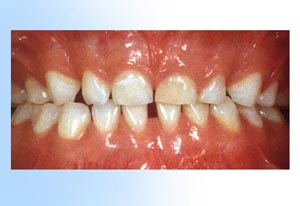
During the first visit, the child’s mouth will be examined for tooth decay and other problems. The teeth may be cleaned by the dentist or Dental Hygienist. The dentist will explain how the child’s teeth should be cleaned at home, how diet and eating habits affect Dental Health and methods to ensure that your child gets sufficient fluoride.
Most children have a full set of 20 primary teeth by the time they are three years old. Primary teeth are just as important as permanent teeth, for chewing, speaking, and appearance. In addition, the primary teeth hold the space in the jaws for the permanent teeth.
You should start brushing the child’s teeth as soon as the first tooth erupts. Flossing should begin when all the primary teeth have erupted, usually by age 2 to 2 ½. By age 4 or 5, the child may be able to brush his or her own teeth under supervision.
The pre-school years are an important time to help your child establish good eating habits, since you can control your child’s diet successfully. At this age, many children need to eat snacks or “mini-meals”. They cannot always eat enough food at mealtimes to get all the nutrients and energy they need. Help your child choose sensible snacks – foods that don’t promote tooth decay.
You should start brushing the child’s teeth as soon as the first tooth erupts. Flossing should begin when all the primary teeth have erupted, usually by age 2 to 2 ½. By age 4 or 5, the child may be able to brush his or her own teeth under supervision.
The pre-school years are an important time to help your child establish good eating habits, since you can control your child’s diet successfully. At this age, many children need to eat snacks or “mini-meals”. They cannot always eat enough food at mealtimes to get all the nutrients and energy they need. Help your child choose sensible snacks – foods that don’t promote tooth decay.
Tuesday, August 4, 2015
Infants
People usually think of a newborn baby as having no teeth. But the 20 primary teeth that will erupt in the next two and a half years are already present at birth in the baby’s jawbones. At birth, the crowns of the primary teeth are almost complete and the chewing surfaces of the permanent molars have begun to form. The front four teeth usually erupt first, beginning as early as six months after birth.

Your infant depends totally on you for Dental Care. You should begin cleaning the baby’s mouth during the first few days after birth. After every feeding, wipe the baby’s gums and teeth with a damp washcloth or gauze pad to remove plaque. This establishes, at an early age, the importance of Dental Hygiene and the feeling of having clean teeth and gums.
To clean your child’s teeth, place the child in a comfortable position that will allow easy access to his or her mouth.
Remember: Your infant depends totally on you for Dental Care!
Your infant depends totally on you for Dental Care. You should begin cleaning the baby’s mouth during the first few days after birth. After every feeding, wipe the baby’s gums and teeth with a damp washcloth or gauze pad to remove plaque. This establishes, at an early age, the importance of Dental Hygiene and the feeling of having clean teeth and gums.
To clean your child’s teeth, place the child in a comfortable position that will allow easy access to his or her mouth.
Remember: Your infant depends totally on you for Dental Care!
Subscribe to:
Posts (Atom)